
How Braces Address Common Childhood Dental Habits and Their Long-Term Effects
Understanding the Connection Between Childhood Habits and Dental Development
Children often develop habits that seem harmless at first glance, yet these behaviours can significantly influence the alignment and health of their teeth as they grow. Thumb sucking, prolonged dummy use, and tongue thrusting are among the most common childhood habits that can reshape the dental landscape. When these patterns persist beyond the toddler years, they can create lasting changes to jaw development and tooth positioning that require professional intervention. Fortunately, orthodontic treatment offers effective solutions, such as braces Liverpool, to correct these issues and restore proper dental function.
The relationship between childhood habits and dental problems is well-documented within orthodontic literature. When a child repeatedly applies pressure to developing teeth and jaw structures, the soft bones gradually adapt to accommodate these forces. This process can lead to open bites, crossbites, and protruding front teeth that not only affect appearance but also compromise chewing efficiency and speech development. Understanding how dentists address these complications helps parents make informed decisions about their children’s dental care.
Common Childhood Habits That Affect Dental Health
Thumb Sucking and Dummy Use
Thumb sucking represents one of the most prevalent childhood habits, with many infants naturally developing this self-soothing behaviour. Whilst occasional thumb sucking in very young children typically causes no permanent damage, prolonged thumb sucking beyond the age of four can create substantial orthodontic challenges. The constant pressure exerted by the thumb pushes the upper front teeth forward whilst simultaneously preventing the lower teeth from erupting properly, resulting in an anterior open bite where the top and bottom teeth fail to meet when the mouth closes.
Similarly, extended dummy use presents comparable risks to dental development. Parents often find that understanding the dental implications of pacifier habits helps them establish appropriate timelines for discontinuing these comforting devices. The intensity and duration of the habit determine the severity of dental consequences, with vigorous sucking creating more pronounced misalignment than passive thumb resting.
Tongue Thrusting and Mouth Breathing
Tongue thrusting occurs when a child pushes their tongue against or between their front teeth during swallowing, speaking, or whilst the mouth is at rest. This repetitive forward pressure can gradually move teeth out of alignment, creating gaps and protrusions that mirror the effects of thumb sucking. The habit often develops as a compensatory mechanism when nasal breathing becomes difficult due to enlarged tonsils or chronic allergies, establishing a cycle that perpetuates dental misalignment.
Mouth breathing represents another concern that frequently accompanies tongue thrusting. When children habitually breathe through their mouths rather than their noses, the altered tongue position and reduced lip pressure can affect facial development and tooth positioning. The long-term consequences extend beyond aesthetics, potentially impacting sleep quality and overall health as children mature into adulthood.
How Orthodontic Treatment Corrects Habit-Related Dental Issues
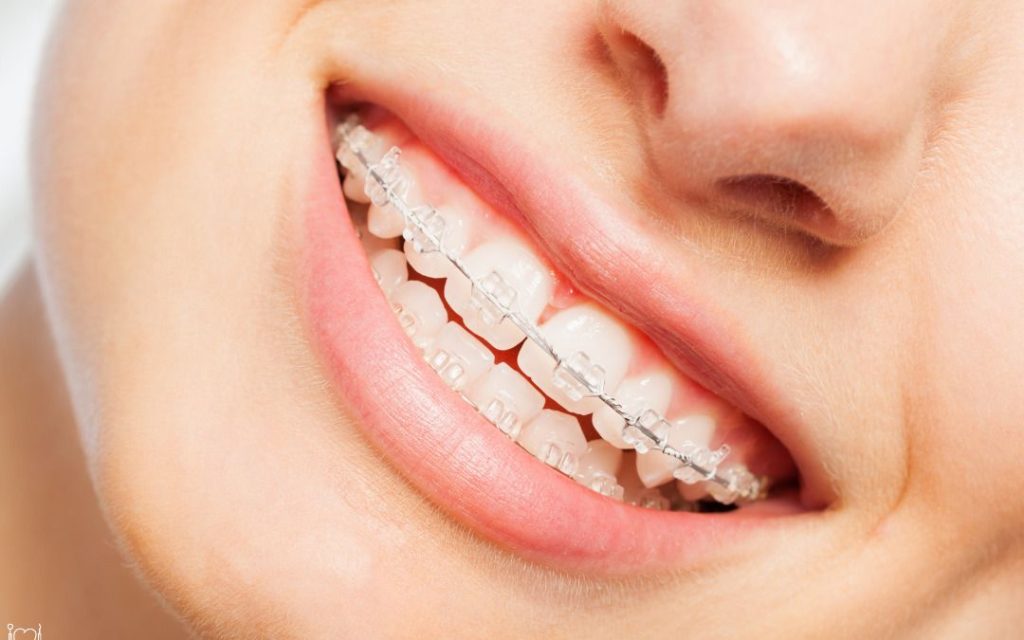
Braces specialists employ various orthodontic appliances designed specifically to address the dental complications arising from childhood habits. Traditional metal braces remain highly effective at gradually repositioning teeth that have shifted due to prolonged thumb sucking or tongue thrusting. These appliances apply consistent, gentle pressure over time, guiding teeth back into their proper positions whilst simultaneously retraining the surrounding muscles and soft tissues.
Beyond standard braces, orthodontists may recommend specialised appliances such as tongue cribs or habit-breaking devices that discourage persistent behaviours whilst treatment progresses. These tools work in conjunction with braces to ensure comprehensive correction of both the symptoms and underlying causes of misalignment. Research on the lasting dental impact of early childhood habits confirms that timely intervention significantly improves treatment outcomes and reduces the complexity of orthodontic care required.
Achieving Lasting Results Through Comprehensive Care
Addressing the dental consequences of childhood habits requires a multifaceted approach that combines orthodontic expertise with patient cooperation. Dentists emphasise the importance of early assessment, typically recommending that children receive their first orthodontic evaluation around age seven. This timing allows professionals to identify developing problems whilst the jaw remains malleable and responsive to treatment, often reducing the duration and complexity of future interventions. With proper orthodontic care, children can overcome the long-term effects of early habits and enjoy healthy, properly aligned smiles throughout their lives.
The Economic Advantages of Choosing Invisalign Over Conventional Orthodontic Methods
Understanding the Financial Benefits of Modern Orthodontics
When considering orthodontic treatment, the initial price tag often dominates the conversation. However, a comprehensive economic analysis reveals that invisalign Leeds and similar clear aligner systems frequently offer superior value compared to traditional metal braces. Whilst the upfront costs may appear comparable, the total financial impact extends far beyond the treatment fee itself, encompassing factors such as time investment, professional obligations, and long-term dental health outcomes.
The financial landscape of orthodontic treatment has transformed considerably over the past decade. Clear aligner technology has evolved from a premium option into an economically viable choice for a broad spectrum of patients. Understanding these economic advantages requires examining both direct and indirect costs, alongside the tangible benefits that affect one’s professional and personal life throughout the treatment journey.
Reduced Treatment Duration and Associated Costs
One of the most significant economic advantages lies in the efficiency of treatment. Clear aligners typically require fewer appointments than conventional braces, which translates into substantial savings in both time and money. Each visit to the orthodontist represents not merely the appointment itself, but also travel expenses, parking fees, and potentially lost wages from time away from work.
Traditional braces necessitate regular adjustments every four to six weeks, whilst clear aligner systems often require check-ups only every six to eight weeks. This reduced frequency means fewer disruptions to one’s professional schedule and decreased ancillary costs. For busy professionals, parents, or students, this time-saving aspect represents a genuine economic benefit that compounds over the treatment period.
Professional Image and Career Advancement
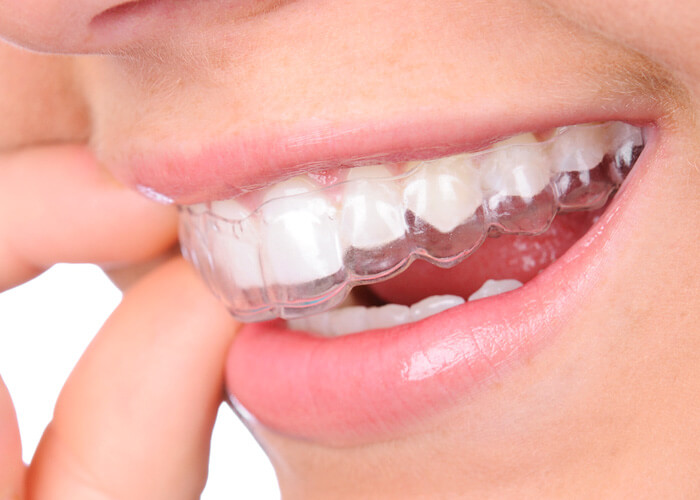
The aesthetic discretion of clear aligners offers economic advantages that extend into professional spheres. In client-facing roles, sales positions, or public-facing careers, maintaining a polished appearance can directly influence earning potential. Comparing the visual impact of different orthodontic solutions reveals why many professionals opt for clear aligners to preserve their professional image whilst undergoing treatment.
The confidence factor cannot be understated when evaluating economic impact. Professionals who feel self-conscious about visible metal braces may hesitate during presentations, client meetings, or networking opportunities. This psychological barrier can indirectly affect career progression and, consequently, earning potential. Clear aligners eliminate this concern, allowing individuals to pursue professional opportunities without aesthetic reservations.
Maintenance Costs and Emergency Visits
Traditional braces present ongoing maintenance challenges that can accumulate unexpected costs. Broken brackets, snapped wires, and damaged bands frequently require emergency appointments, each incurring additional fees. These unplanned visits disrupt schedules and strain budgets, particularly when they occur outside regular business hours or require urgent attention before important events.
Clear aligners virtually eliminate these emergency scenarios. The removable nature of the appliances means no broken components requiring immediate repair. Patients simply progress to the next aligner in their series according to schedule, without the anxiety of mechanical failures. This predictability allows for more accurate budgeting and financial planning throughout the treatment duration.
Dietary Freedom and Nutritional Considerations
The economic implications of dietary restrictions with traditional braces deserve consideration. Patients must avoid numerous foods that could damage brackets or wires, potentially limiting dining options and increasing grocery bills for softer, brace-friendly alternatives. Social dining situations may require careful menu navigation or avoidance altogether, impacting both enjoyment and networking opportunities.
Clear aligners offer complete dietary freedom, as they are removed during meals. This flexibility prevents the hidden costs associated with restricted eating habits and allows patients to maintain their normal lifestyle without compromise. Understanding the practical differences between treatment options helps patients appreciate these lifestyle-related economic factors.
Long-Term Dental Health Economics
The superior oral hygiene maintenance possible with clear aligners contributes to long-term economic benefits. Traditional braces create numerous spaces where food particles and plaque accumulate, increasing the risk of cavities and gum disease. These complications require additional dental treatments, which represent substantial future costs that many patients fail to consider during initial treatment planning.
Clear aligners allow for normal brushing and flossing routines, maintaining optimal oral health throughout orthodontic treatment. Evaluating the health implications of various orthodontic approaches reveals how preventative care during treatment protects against costly interventions later.
Making an Informed Financial Decision
When evaluating orthodontic options through an economic lens, the advantages of clear aligner systems become increasingly apparent. Beyond the treatment fee itself, factors such as reduced appointment frequency, professional image preservation, elimination of emergency visits, dietary freedom, and superior oral health maintenance collectively represent significant financial value. Patients who consider the comprehensive economic picture often discover that invisalign Leeds treatments offer exceptional value, combining clinical effectiveness with lifestyle compatibility and long-term financial prudence.
How Dehydration Silently Contributes to Common Dental Emergencies
The Hidden Connection Between Hydration and Dental Health
Water is often celebrated for its role in maintaining overall health, yet its crucial importance to oral wellbeing remains surprisingly overlooked. Whilst most people understand that staying hydrated benefits their skin, energy levels, and bodily functions, few recognise that insufficient water intake can directly lead to urgent dental problems. The relationship between dehydration and dental emergencies is both profound and frequently underestimated, with consequences that can transform a minor discomfort into a situation requiring the emergency dentist Richmond.
The mouth relies on a delicate balance of saliva production to maintain its natural defences against bacteria, acids, and physical damage. When the body lacks adequate hydration, saliva production diminishes significantly, leaving teeth and gums vulnerable to a cascade of problems. This seemingly innocuous reduction in moisture creates an environment where dental emergencies can develop with alarming speed, often catching individuals completely unaware until the damage has already been done.
How Dehydration Compromises Your Mouth’s Natural Defences
Saliva serves as the mouth’s first line of defence, performing multiple critical functions throughout the day and night. This remarkable fluid neutralises harmful acids produced by bacteria, washes away food particles, and delivers essential minerals to tooth enamel. When dehydration reduces saliva flow, these protective mechanisms become severely compromised, leaving the oral cavity exposed to threats that would normally be managed effortlessly by the body’s natural systems.

The consequences of reduced saliva production extend beyond simple dryness. Without adequate moisture, the mouth’s pH balance shifts towards acidity, creating ideal conditions for bacterial proliferation. These microorganisms thrive in dry environments, multiplying rapidly and producing acids that attack tooth enamel with increased vigour. What might begin as mild dehydration can escalate into serious dental concerns, including comprehensive oral health complications linked to chronic water deficiency, potentially requiring urgent intervention from an emergency dentist Richmond residents trust for immediate care.
Common Dental Emergencies Triggered by Dehydration
Sudden Tooth Fractures and Breaks
Dehydrated teeth become surprisingly brittle, losing the microscopic flexibility that typically allows enamel to withstand daily pressures. When saliva levels drop, teeth lose essential moisture content, making them prone to cracking or chipping during routine activities such as eating or even speaking.
Accelerated Tooth Decay and Cavities
Without sufficient saliva to neutralise acids and remineralise enamel, tooth decay progresses at an accelerated rate in dehydrated individuals. The protective washing action of saliva becomes ineffective, allowing sugars and acids to linger on tooth surfaces for extended periods. This prolonged exposure creates perfect conditions for cavity formation, which can quickly penetrate through enamel layers and reach the sensitive inner structures of teeth, causing severe pain that demands immediate attention.
Severe Gum Inflammation and Infection
Gum tissue requires adequate hydration to maintain its integrity and resist bacterial invasion. When dehydration sets in, gums become dry, inflamed, and prone to bleeding. The reduced saliva flow means harmful bacteria accumulate along the gum line unchecked, leading to rapid development of gingivitis or even periodontitis. In severe cases, dehydration’s impact on dental wellness can result in painful abscesses that require emergency drainage and antibiotic treatment.
Recognising the Warning Signs Before Crisis Strikes
Understanding the early indicators of dehydration-related dental problems can prevent minor issues from escalating into emergencies. Persistent bad breath, despite regular brushing, often signals reduced saliva production. A sticky or dry sensation in the mouth, particularly upon waking, indicates inadequate hydration levels. Increased tooth sensitivity to temperature changes or sweet foods may suggest enamel weakening due to insufficient saliva protection.
Other warning signs include difficulty swallowing dry foods, a burning sensation on the tongue, and more frequent occurrences of mouth ulcers. Those experiencing these symptoms should increase their water intake immediately and monitor their oral health closely. Professional insights on hydration and dental health emphasise the importance of addressing these symptoms before they develop into urgent situations.
Protecting Your Dental Health Through Proper Hydration
Preventing dehydration-related dental emergencies requires consistent attention to water intake throughout the day. Adults should aim for approximately two litres of water daily, adjusting for physical activity, climate, and individual needs. Sipping water regularly proves more effective than consuming large quantities infrequently, as it maintains steady saliva production and keeps the mouth consistently moist.
Limiting caffeine and alcohol consumption also helps, as these substances contribute to dehydration and exacerbate dry mouth conditions. By prioritising hydration alongside regular dental care, individuals can significantly reduce their risk of experiencing painful dental emergencies that disrupt daily life and require urgent professional intervention.
Transforming Dental Marketing with Digital Empathy
The Evolution of Patient-Centred Communication
The landscape of healthcare communication has undergone a remarkable transformation in recent years, with dental practices increasingly recognising the profound impact of empathetic digital engagement in dental marketing. Gone are the days when sterile, clinical messaging dominated the sector. Today’s most successful practices understand that authentic connection lies at the heart of effective patient relationships, particularly in the digital realm, where first impressions are often formed.
Modern patients seek more than just technical expertise from their dental providers; they desire understanding, compassion, and genuine care that extends beyond the treatment chair. This shift in patient expectations has created an opportunity for forward-thinking practices to differentiate themselves through emotionally intelligent communication strategies that resonate on a deeply human level.
Understanding Digital Empathy in Healthcare
Digital empathy represents the ability to understand and share patients’ feelings through online interactions, creating meaningful connections despite the absence of face-to-face contact. This concept has become particularly relevant as patients increasingly rely on digital touchpoints to evaluate and engage with healthcare providers before making appointment decisions.
The implementation of empathetic approaches requires practices to move beyond traditional promotional messaging towards content that acknowledges patient anxieties, celebrates their concerns, and provides reassurance through understanding. This approach recognises that dental anxiety affects a significant portion of the population, making empathetic communication not merely beneficial but essential for practice growth.

Key Components of Empathetic Digital Communication
- Acknowledgement of patient fears and concerns without dismissal
- Use of inclusive, accessible language that avoids intimidating medical jargon
- Personalised content that speaks to different patient demographics and needs
- Transparent communication about procedures, costs, and treatment options
- Responsive engagement that demonstrates genuine interest in patient welfare
Research consistently demonstrates that practices implementing empathy-driven marketing strategies experience higher patient retention rates and increased referrals. This correlation exists because patients feel valued and understood, creating emotional bonds that transcend purely transactional relationships.
Practical Applications in Modern Practice
The practical implementation of digital empathy extends across multiple platforms and communication channels. Social media platforms provide opportunities for practices to share patient success stories, address common concerns, and create communities where individuals feel supported throughout their dental journey. Email communications can incorporate personalised elements that acknowledge individual patient histories and preferences.
Website content serves as another crucial touchpoint where empathetic messaging can significantly impact patient perceptions. By incorporating patient testimonials that highlight emotional journeys rather than solely focusing on clinical outcomes, practices can demonstrate their understanding of the complete patient experience. This approach helps potential patients visualise themselves receiving care in an environment where their feelings are acknowledged and respected.
Building Trust Through Authentic Storytelling
Successful practices have discovered that sharing authentic stories about overcoming dental challenges creates powerful connections with prospective patients. These narratives should focus on the emotional transformation that accompanies improved oral health, rather than simply showcasing technical procedures. When patients see themselves reflected in these stories, they develop confidence in the practice’s ability to understand and address their unique circumstances.
The integration of relationship-driven approaches in digital marketing has proven particularly effective in building long-term patient loyalty. This methodology prioritises genuine connections over quick conversions, recognising that sustainable practice growth stems from meaningful relationships rather than transactional interactions.
Measuring Success and Continuous Improvement
Effective marketing requires ongoing evaluation and refinement of empathetic communication strategies. Practices should monitor engagement metrics across digital platforms, paying particular attention to comment quality, message tone, and patient feedback. These insights provide valuable guidance for adjusting communication approaches to better serve patient needs.
Patient surveys can offer direct feedback about the emotional impact of digital communications, helping practices understand which messages resonate most effectively. This data-driven approach ensures that empathetic strategies remain authentic and relevant rather than appearing forced or artificial.
Industry experts have noted that combining emotional intelligence with strategic advertising creates the most compelling patient experiences. This combination acknowledges that whilst technical excellence remains paramount, the emotional journey surrounding dental care significantly influences patient decisions and satisfaction levels.
The Future of Compassionate Dental Care
The integration of digital empathy into dental marketing represents more than a strategic advantage; it reflects a fundamental shift towards more humanised healthcare communication. Practices that embrace this approach position themselves as partners in their patients’ wellness journeys, creating lasting relationships built on understanding, trust, and genuine care. As the digital landscape continues evolving, those who prioritise empathetic connection will undoubtedly lead the transformation of patient-provider relationships in the dental sector.
How Dedicated Caregiving Builds Emotional Strength For Seniors At Home?
Aging at home can nurture confidence while gentle guidance supports steady growth. Thoughtful senior care creates a safe rhythm that encourages trust. Consistent attention helps a senior feel valued while routines stay calm. Respectful presence reduces fear plus builds quiet courage over time. Warm interaction strengthens outlook through home care Decatur, so each day carries purpose.
Steady Support Creates Confidence
Regular presence offers reassurance that a senior is never facing challenges alone. Calm voices plus patient listening shape an environment where worries soften naturally. Gentle reminders guide habits without pressure, so independence still feels protected. This steady pattern allows a senior to trust personal ability while accepting kind assistance, including home care Decatur when extra guidance becomes useful.

Trust Grows Through Routine
- Consistent timing encourages calm thinking while supporting steady personal progress daily
- Gentle reminders protect dignity while guiding actions with a respectful tone
- Familiar patterns reduce worry, so attention stays focused on simple goals
- Reliable presence strengthens confidence through kind words plus caring gestures
- Clear expectations support balance while encouraging steady independent effort
Respectful Interaction Encourages Courage
Kind dialogue shows a senior that opinions still carry meaning. Attentive behavior honors choices that protect pride during vulnerable moments. Positive words lift mood, so hesitation slowly turns into bravery. A senior responds with openness when treated as an equal partner in decisions.
Shared Moments Strengthen Outlook
Meaningful conversation helps a senior stay connected with their personal identity. Small achievements gain importance when someone celebrates progress sincerely. Encouragement turns ordinary tasks into signs of growth plus resilience.
Practical guidance must unite patience with reliable presence so aging adults gain inner stability. Balanced attention replaces fear with assurance while steady routines protect dignity. Kind communication keeps motivation active, which allows growth beyond limitations. Families seeking improvement should focus on respectful interaction plus structured assistance that addresses changing needs.
FAQ
How can Steady help improve confidence for aging adults at home?
Regular guidance reassures older adults while promoting calm thinking and courage.
Why does routine matter for maintaining a positive mindset during later years?
Predictable structure reduces confusion while supporting focus on simple achievements.
What role does respectful dialogue play in daily senior wellbeing?
Kind conversation protects dignity while encouraging openness and personal trust.