
Understanding the Connection Between Childhood Habits and Dental Development
Children often develop habits that seem harmless at first glance, yet these behaviours can significantly influence the alignment and health of their teeth as they grow. Thumb sucking, prolonged dummy use, and tongue thrusting are among the most common childhood habits that can reshape the dental landscape. When these patterns persist beyond the toddler years, they can create lasting changes to jaw development and tooth positioning that require professional intervention. Fortunately, orthodontic treatment offers effective solutions, such as braces Liverpool, to correct these issues and restore proper dental function.
The relationship between childhood habits and dental problems is well-documented within orthodontic literature. When a child repeatedly applies pressure to developing teeth and jaw structures, the soft bones gradually adapt to accommodate these forces. This process can lead to open bites, crossbites, and protruding front teeth that not only affect appearance but also compromise chewing efficiency and speech development. Understanding how dentists address these complications helps parents make informed decisions about their children’s dental care.
Common Childhood Habits That Affect Dental Health
Thumb Sucking and Dummy Use
Thumb sucking represents one of the most prevalent childhood habits, with many infants naturally developing this self-soothing behaviour. Whilst occasional thumb sucking in very young children typically causes no permanent damage, prolonged thumb sucking beyond the age of four can create substantial orthodontic challenges. The constant pressure exerted by the thumb pushes the upper front teeth forward whilst simultaneously preventing the lower teeth from erupting properly, resulting in an anterior open bite where the top and bottom teeth fail to meet when the mouth closes.
Similarly, extended dummy use presents comparable risks to dental development. Parents often find that understanding the dental implications of pacifier habits helps them establish appropriate timelines for discontinuing these comforting devices. The intensity and duration of the habit determine the severity of dental consequences, with vigorous sucking creating more pronounced misalignment than passive thumb resting.
Tongue Thrusting and Mouth Breathing
Tongue thrusting occurs when a child pushes their tongue against or between their front teeth during swallowing, speaking, or whilst the mouth is at rest. This repetitive forward pressure can gradually move teeth out of alignment, creating gaps and protrusions that mirror the effects of thumb sucking. The habit often develops as a compensatory mechanism when nasal breathing becomes difficult due to enlarged tonsils or chronic allergies, establishing a cycle that perpetuates dental misalignment.
Mouth breathing represents another concern that frequently accompanies tongue thrusting. When children habitually breathe through their mouths rather than their noses, the altered tongue position and reduced lip pressure can affect facial development and tooth positioning. The long-term consequences extend beyond aesthetics, potentially impacting sleep quality and overall health as children mature into adulthood.
How Orthodontic Treatment Corrects Habit-Related Dental Issues
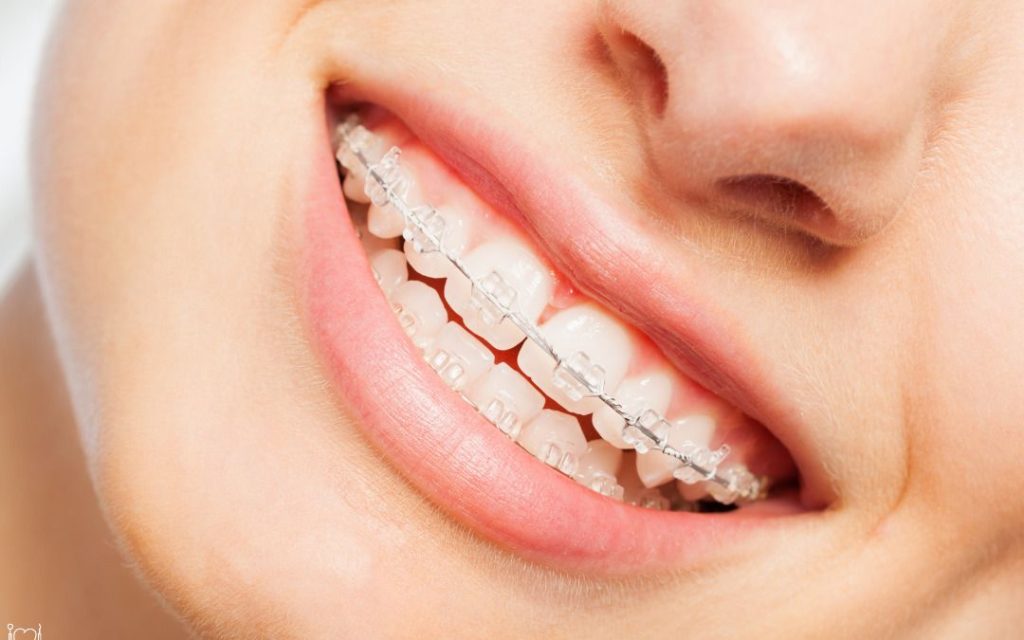
Braces specialists employ various orthodontic appliances designed specifically to address the dental complications arising from childhood habits. Traditional metal braces remain highly effective at gradually repositioning teeth that have shifted due to prolonged thumb sucking or tongue thrusting. These appliances apply consistent, gentle pressure over time, guiding teeth back into their proper positions whilst simultaneously retraining the surrounding muscles and soft tissues.
Beyond standard braces, orthodontists may recommend specialised appliances such as tongue cribs or habit-breaking devices that discourage persistent behaviours whilst treatment progresses. These tools work in conjunction with braces to ensure comprehensive correction of both the symptoms and underlying causes of misalignment. Research on the lasting dental impact of early childhood habits confirms that timely intervention significantly improves treatment outcomes and reduces the complexity of orthodontic care required.
Achieving Lasting Results Through Comprehensive Care
Addressing the dental consequences of childhood habits requires a multifaceted approach that combines orthodontic expertise with patient cooperation. Dentists emphasise the importance of early assessment, typically recommending that children receive their first orthodontic evaluation around age seven. This timing allows professionals to identify developing problems whilst the jaw remains malleable and responsive to treatment, often reducing the duration and complexity of future interventions. With proper orthodontic care, children can overcome the long-term effects of early habits and enjoy healthy, properly aligned smiles throughout their lives.