The Economic Advantages of Choosing Invisalign Over Conventional Orthodontic Methods
Understanding the Financial Benefits of Modern Orthodontics
When considering orthodontic treatment, the initial price tag often dominates the conversation. However, a comprehensive economic analysis reveals that invisalign Leeds and similar clear aligner systems frequently offer superior value compared to traditional metal braces. Whilst the upfront costs may appear comparable, the total financial impact extends far beyond the treatment fee itself, encompassing factors such as time investment, professional obligations, and long-term dental health outcomes.
The financial landscape of orthodontic treatment has transformed considerably over the past decade. Clear aligner technology has evolved from a premium option into an economically viable choice for a broad spectrum of patients. Understanding these economic advantages requires examining both direct and indirect costs, alongside the tangible benefits that affect one’s professional and personal life throughout the treatment journey.
Reduced Treatment Duration and Associated Costs
One of the most significant economic advantages lies in the efficiency of treatment. Clear aligners typically require fewer appointments than conventional braces, which translates into substantial savings in both time and money. Each visit to the orthodontist represents not merely the appointment itself, but also travel expenses, parking fees, and potentially lost wages from time away from work.
Traditional braces necessitate regular adjustments every four to six weeks, whilst clear aligner systems often require check-ups only every six to eight weeks. This reduced frequency means fewer disruptions to one’s professional schedule and decreased ancillary costs. For busy professionals, parents, or students, this time-saving aspect represents a genuine economic benefit that compounds over the treatment period.
Professional Image and Career Advancement
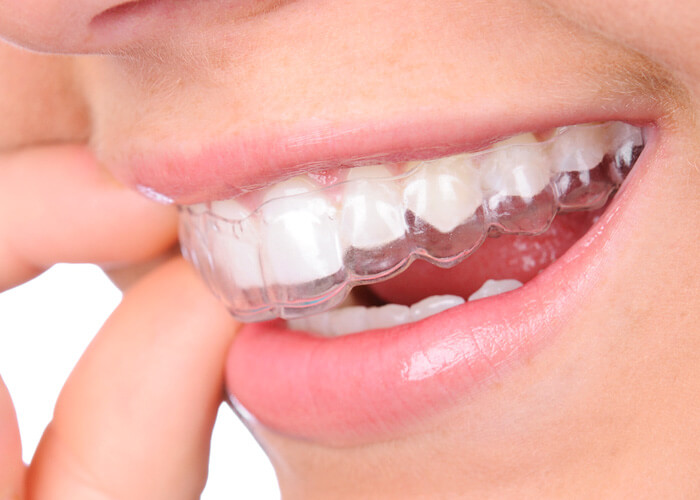
The aesthetic discretion of clear aligners offers economic advantages that extend into professional spheres. In client-facing roles, sales positions, or public-facing careers, maintaining a polished appearance can directly influence earning potential. Comparing the visual impact of different orthodontic solutions reveals why many professionals opt for clear aligners to preserve their professional image whilst undergoing treatment.
The confidence factor cannot be understated when evaluating economic impact. Professionals who feel self-conscious about visible metal braces may hesitate during presentations, client meetings, or networking opportunities. This psychological barrier can indirectly affect career progression and, consequently, earning potential. Clear aligners eliminate this concern, allowing individuals to pursue professional opportunities without aesthetic reservations.
Maintenance Costs and Emergency Visits
Traditional braces present ongoing maintenance challenges that can accumulate unexpected costs. Broken brackets, snapped wires, and damaged bands frequently require emergency appointments, each incurring additional fees. These unplanned visits disrupt schedules and strain budgets, particularly when they occur outside regular business hours or require urgent attention before important events.
Clear aligners virtually eliminate these emergency scenarios. The removable nature of the appliances means no broken components requiring immediate repair. Patients simply progress to the next aligner in their series according to schedule, without the anxiety of mechanical failures. This predictability allows for more accurate budgeting and financial planning throughout the treatment duration.
Dietary Freedom and Nutritional Considerations
The economic implications of dietary restrictions with traditional braces deserve consideration. Patients must avoid numerous foods that could damage brackets or wires, potentially limiting dining options and increasing grocery bills for softer, brace-friendly alternatives. Social dining situations may require careful menu navigation or avoidance altogether, impacting both enjoyment and networking opportunities.
Clear aligners offer complete dietary freedom, as they are removed during meals. This flexibility prevents the hidden costs associated with restricted eating habits and allows patients to maintain their normal lifestyle without compromise. Understanding the practical differences between treatment options helps patients appreciate these lifestyle-related economic factors.
Long-Term Dental Health Economics
The superior oral hygiene maintenance possible with clear aligners contributes to long-term economic benefits. Traditional braces create numerous spaces where food particles and plaque accumulate, increasing the risk of cavities and gum disease. These complications require additional dental treatments, which represent substantial future costs that many patients fail to consider during initial treatment planning.
Clear aligners allow for normal brushing and flossing routines, maintaining optimal oral health throughout orthodontic treatment. Evaluating the health implications of various orthodontic approaches reveals how preventative care during treatment protects against costly interventions later.
Making an Informed Financial Decision
When evaluating orthodontic options through an economic lens, the advantages of clear aligner systems become increasingly apparent. Beyond the treatment fee itself, factors such as reduced appointment frequency, professional image preservation, elimination of emergency visits, dietary freedom, and superior oral health maintenance collectively represent significant financial value. Patients who consider the comprehensive economic picture often discover that invisalign Leeds treatments offer exceptional value, combining clinical effectiveness with lifestyle compatibility and long-term financial prudence.